What is Reiki?
Reiki as we know it was developed by Dr. Mikao Usui in Japan during the early 1900s, with the first clinic in the United States opening in 1970. There are several forms of Reiki, but The Usui System of Natural Healing is the most commonly practiced.
Jones, H. (2025, November 17). Reiki: Everything You Need to Know. Very Well Health. https://www.verywellhealth.com/reiki-therapy-6362562
Reiki is a Japanese relaxation technique that aims to harmonize the body, mind and spirit. The name was derived from the Japanese words rei, meaning universal, and ki, which refers to the vital life force energy that flows through all living things. Reiki promotes well-being and allows your body to heal. Combining Reiki with medical care can be very effective.
Flores, T. (2023, January 30). What is Reiki?. Roswell Park Comprehensive Cancer Center. https://www.roswellpark.org/cancertalk/202301/what-reiki
Reiki has been described as a “Spiritually guided life-force energy.” It is not a religion. It is a form of healing using the energy around us.
Andrasak , P. (n.d.). All about Reiki. The Spiral Paths. https://thespiralpaths.com/allaboutreiki
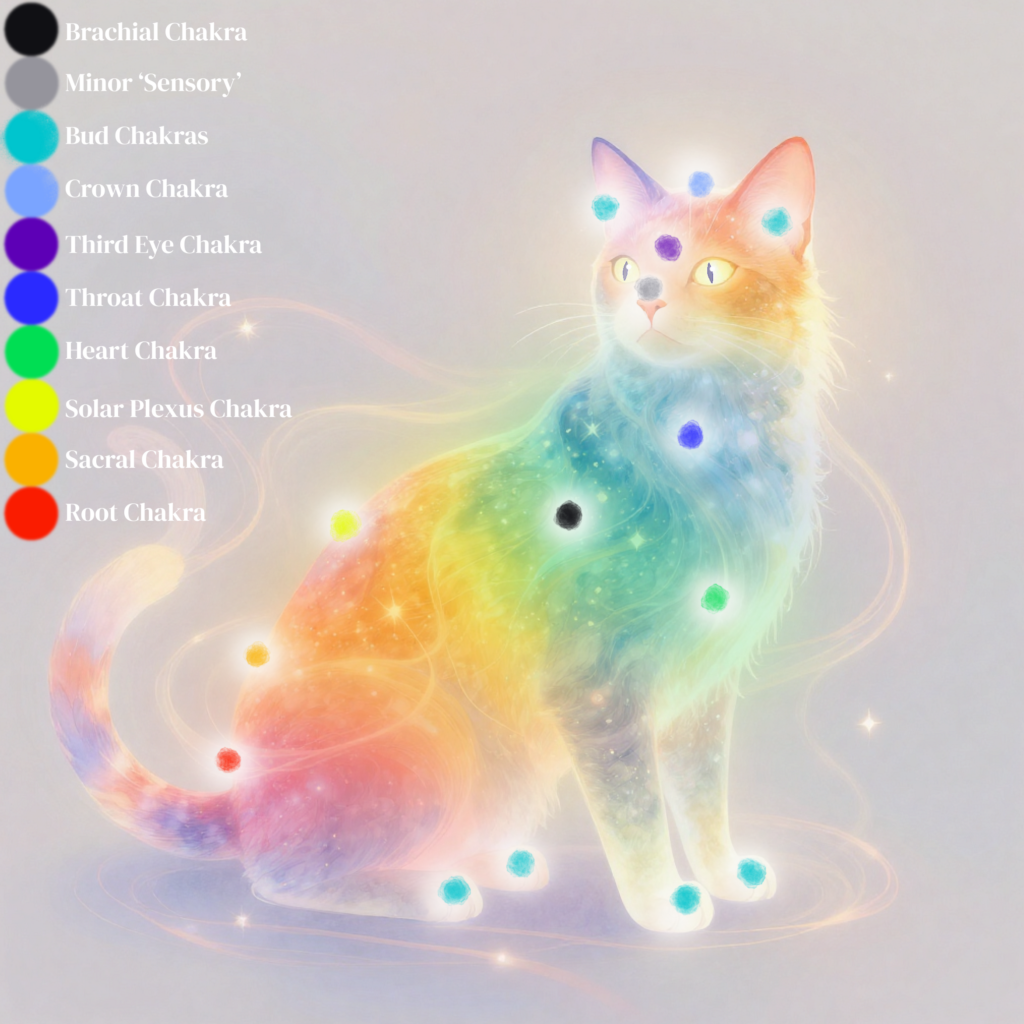
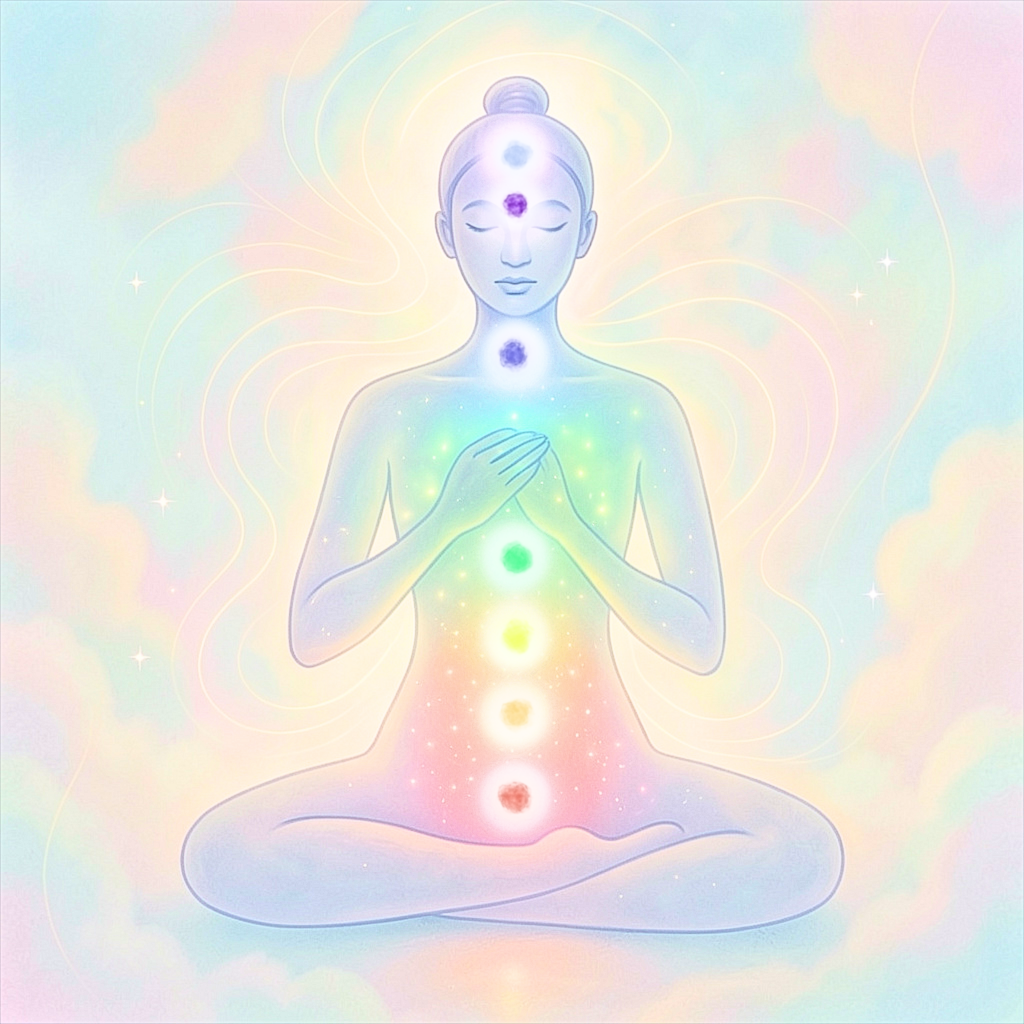
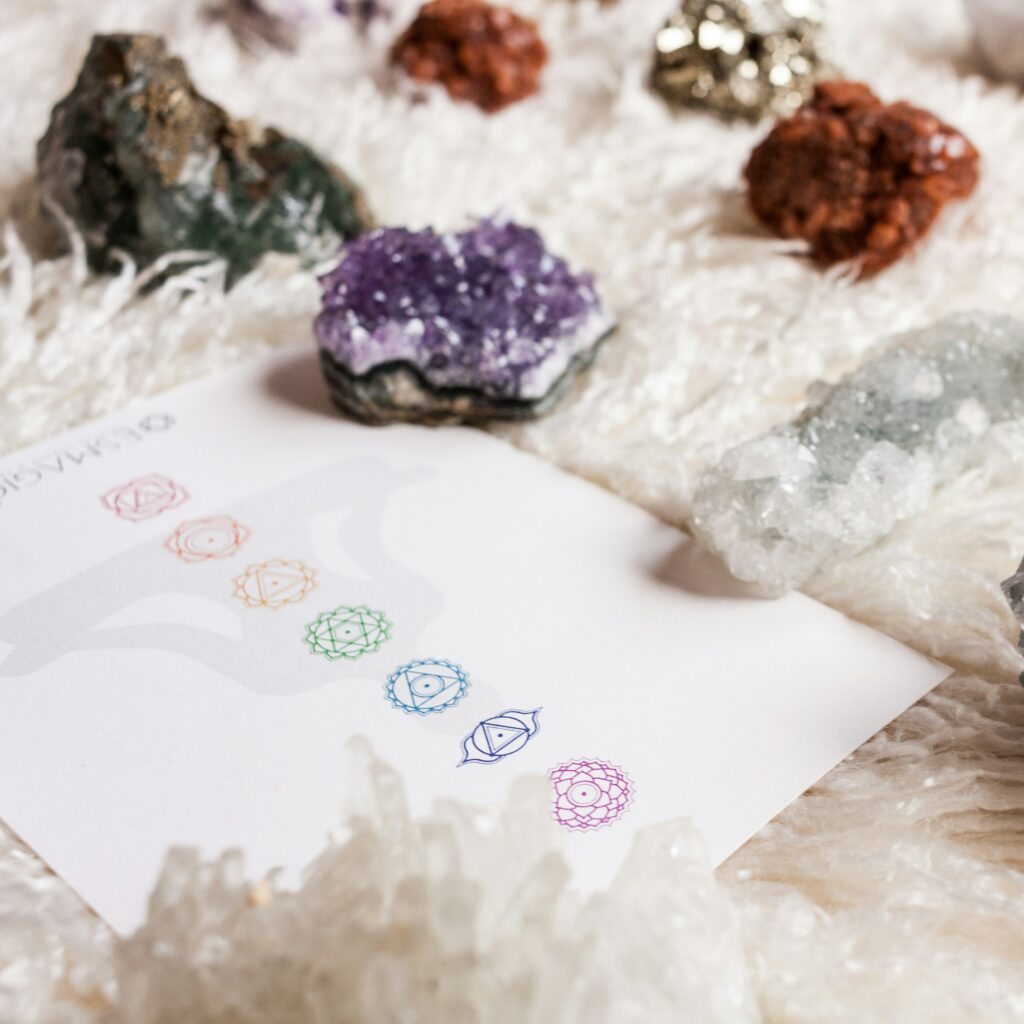
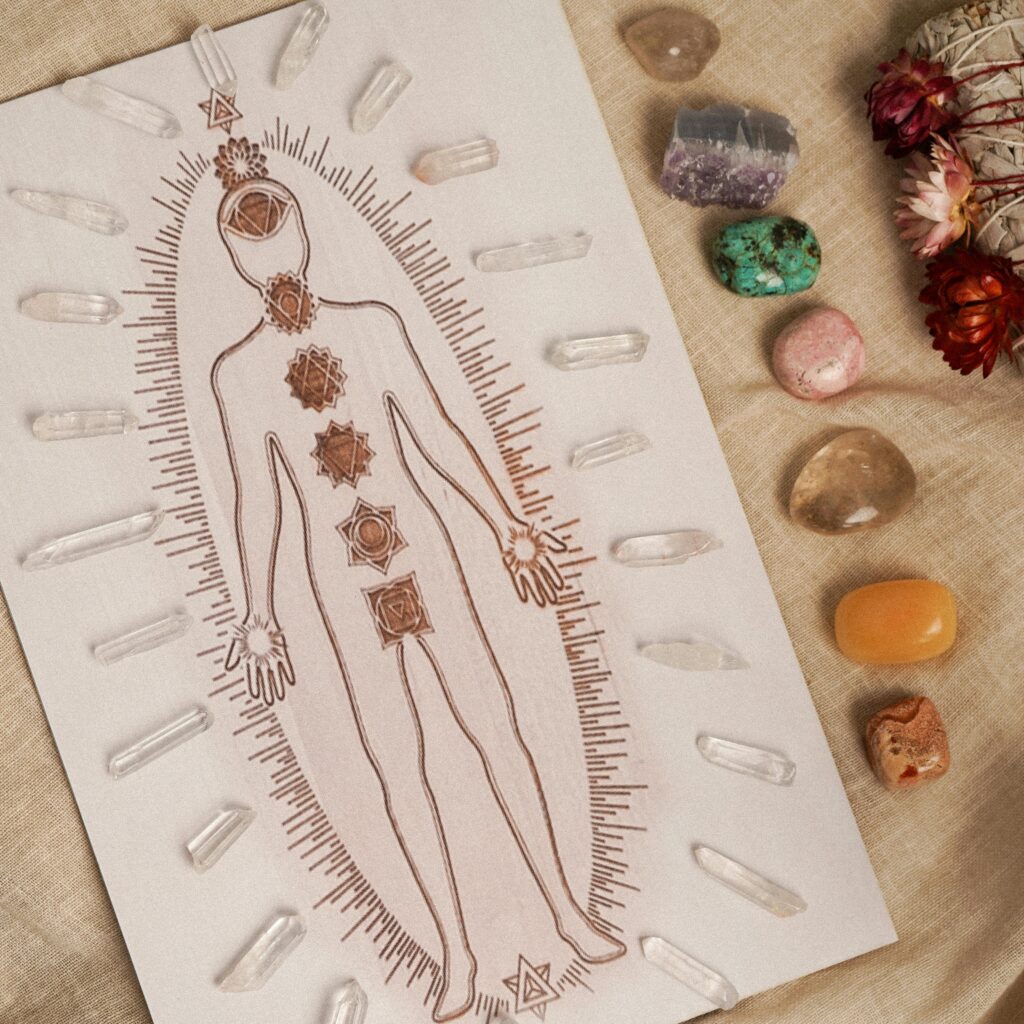
Reiki focuses on seven main energy centers, called chakras, in your body. The energy should flow freely through your chakras in order for you to be spiritually, physically, and mentally healthy. Practitioners believe that if energy paths are blocked, you may feel ill or weak or have pain.
Ignite Healthwise, LLC Staff. (2025, December 15). Reiki Treatment Overview. Kaiser Permanente. https://healthy.kaiserpermanente.org/health-wellness/health-encyclopedia/he.reiki.ty6223spec
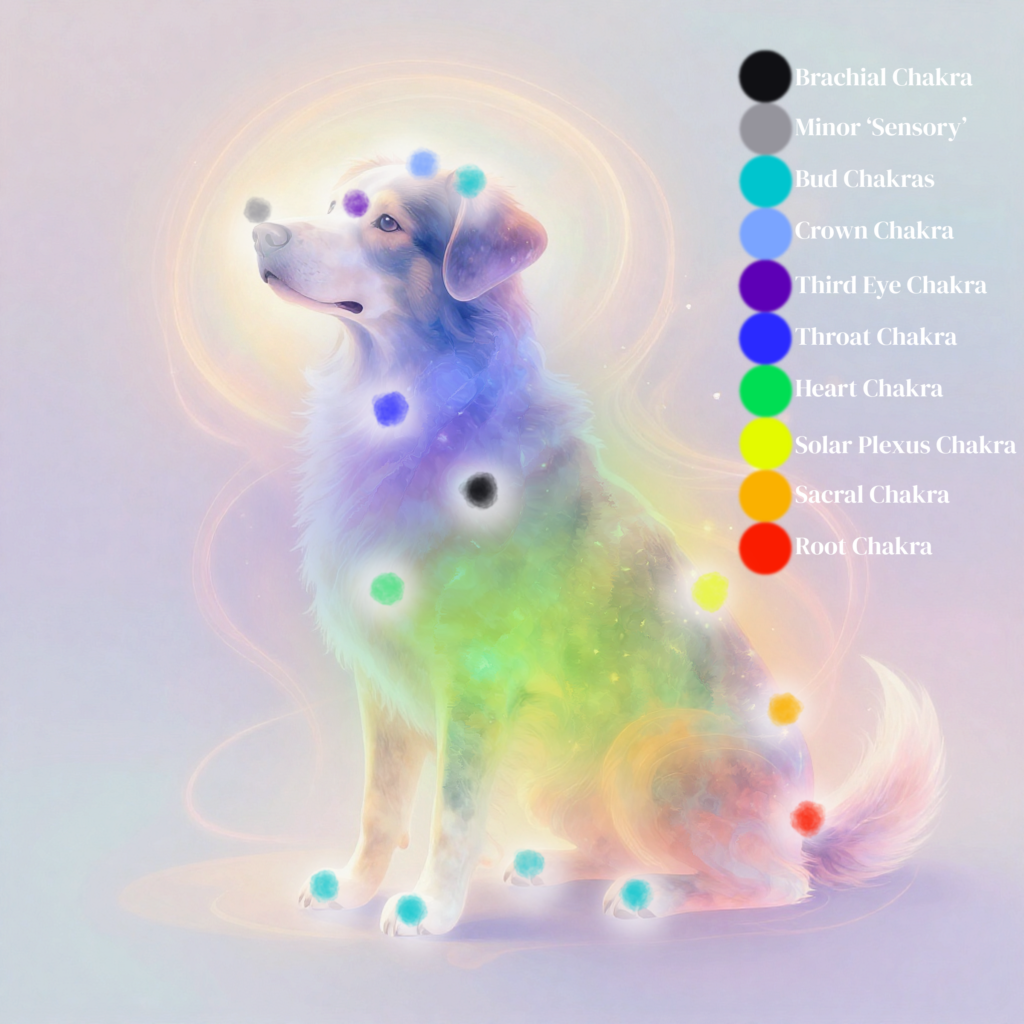
Reiki is a holistic practice that works on physical, emotional, mental, and spiritual levels. Some of the well-known benefits include:
Reduces Stress and Anxiety
Reiki calms the nervous system, helping you feel peaceful and centered.Promotes Better Sleep
Many people experience deep relaxation, which naturally improves sleep quality.Supports Emotional Healing
Reiki helps release emotional blockages, grief, anger, and past trauma.Boosts Physical Healing
It accelerates the body’s natural healing process and reduces pain.Balances Chakras
Reiki clears blocked chakras, ensuring free energy flow for overall well-being.Enhances Spiritual Growth
Regular Reiki sessions bring inner peace, intuition, and a deeper connection with the self.
Lovenheal. (2025, September 16). What is Reiki Healing? A Complete Beginner’s Guide. LovenHeal. https://lovenheal.com/what-is-reiki-healing-a-complete-beginners-guide/
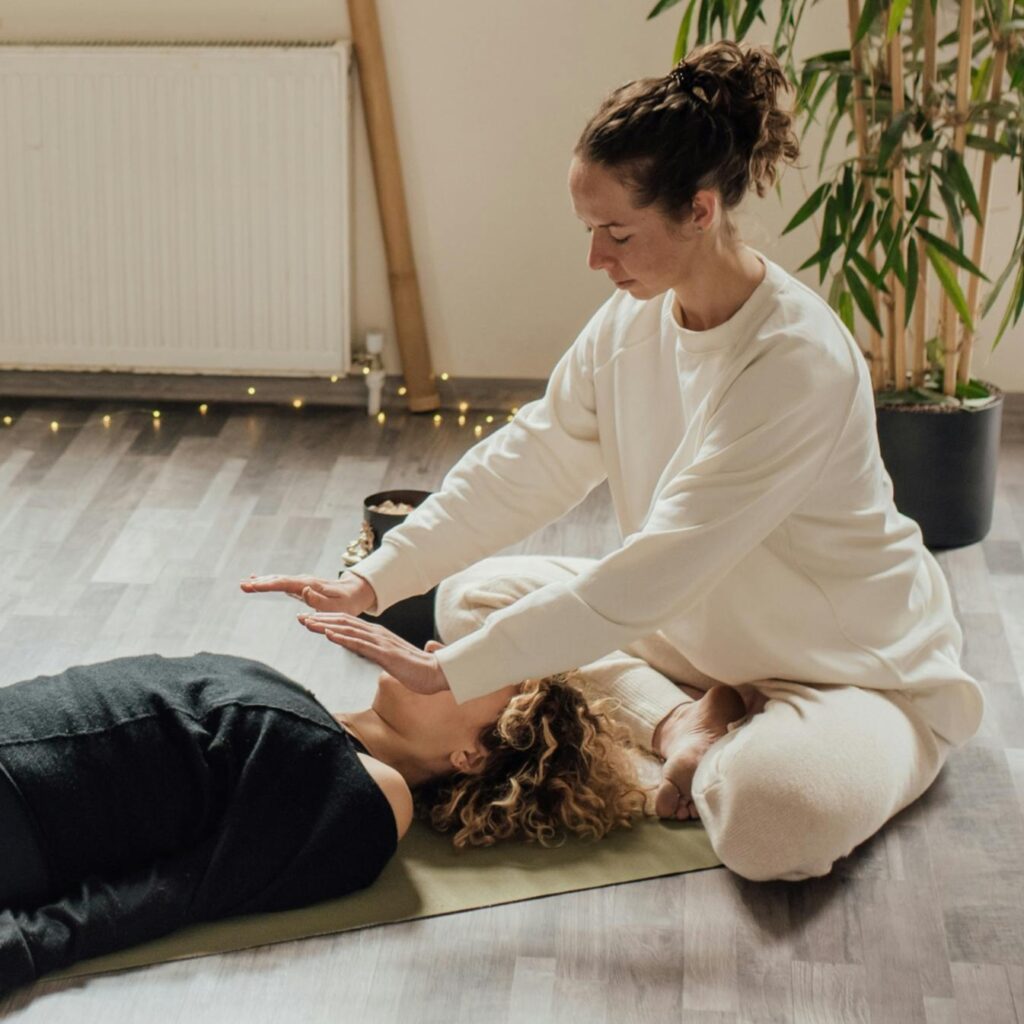
A professional reiki practitioner is someone who has completed at least the second level of a reiki course and is insured appropriately. A professional reiki practitioner should also have first aid skills and membership of a professional organisation.
The State of Victoria and the Department of Health, & Australian Reiki Connection Inc. (2021, August 13). Reiki. Better Health Channel. https://www.betterhealth.vic.gov.au/health/conditionsandtreatments/reiki
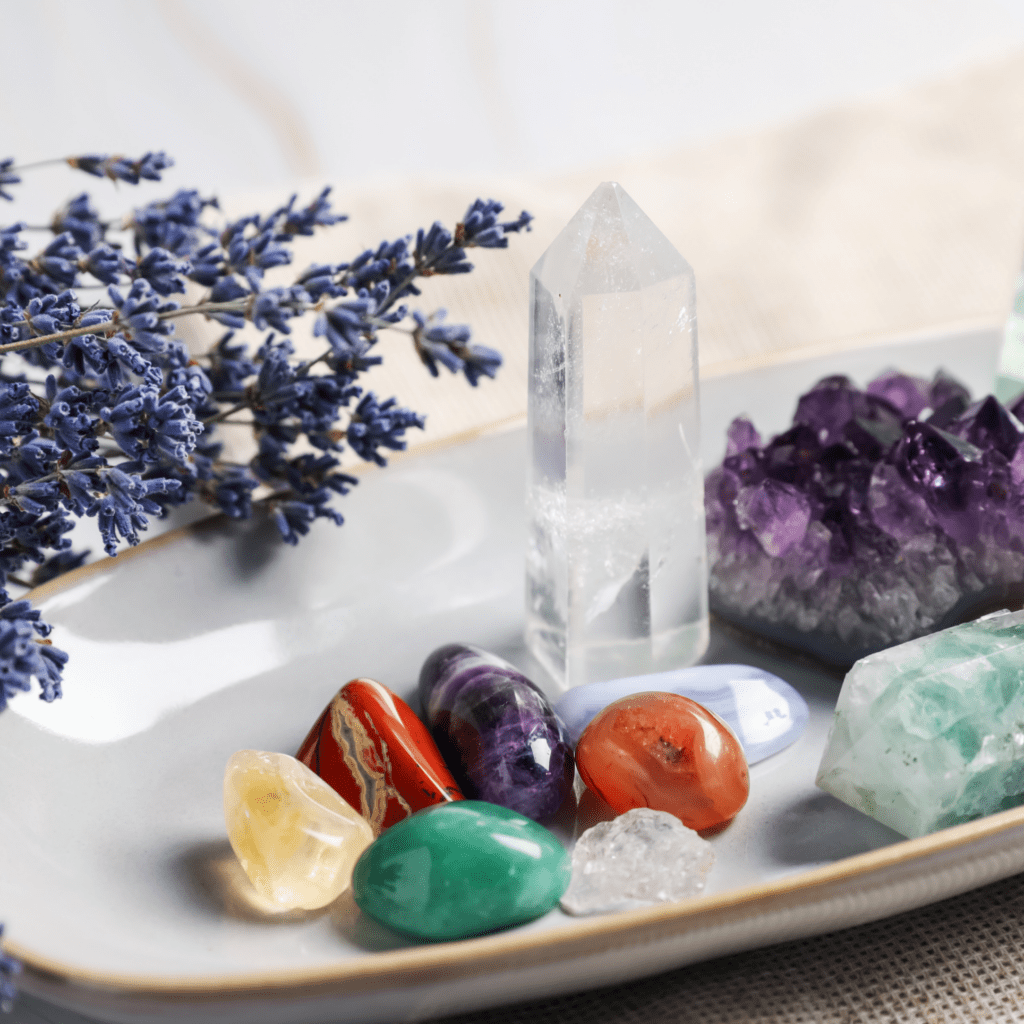
The techniques that Reiki involves have names such as:
centering
clearing
beaming
extracting harmful energies
infusing
smoothing and raking the aura
Newman, T. (2024, July 12). What is Reiki and how does it work?. Medical News Today. https://www.medicalnewstoday.com/articles/308772#during-a-session
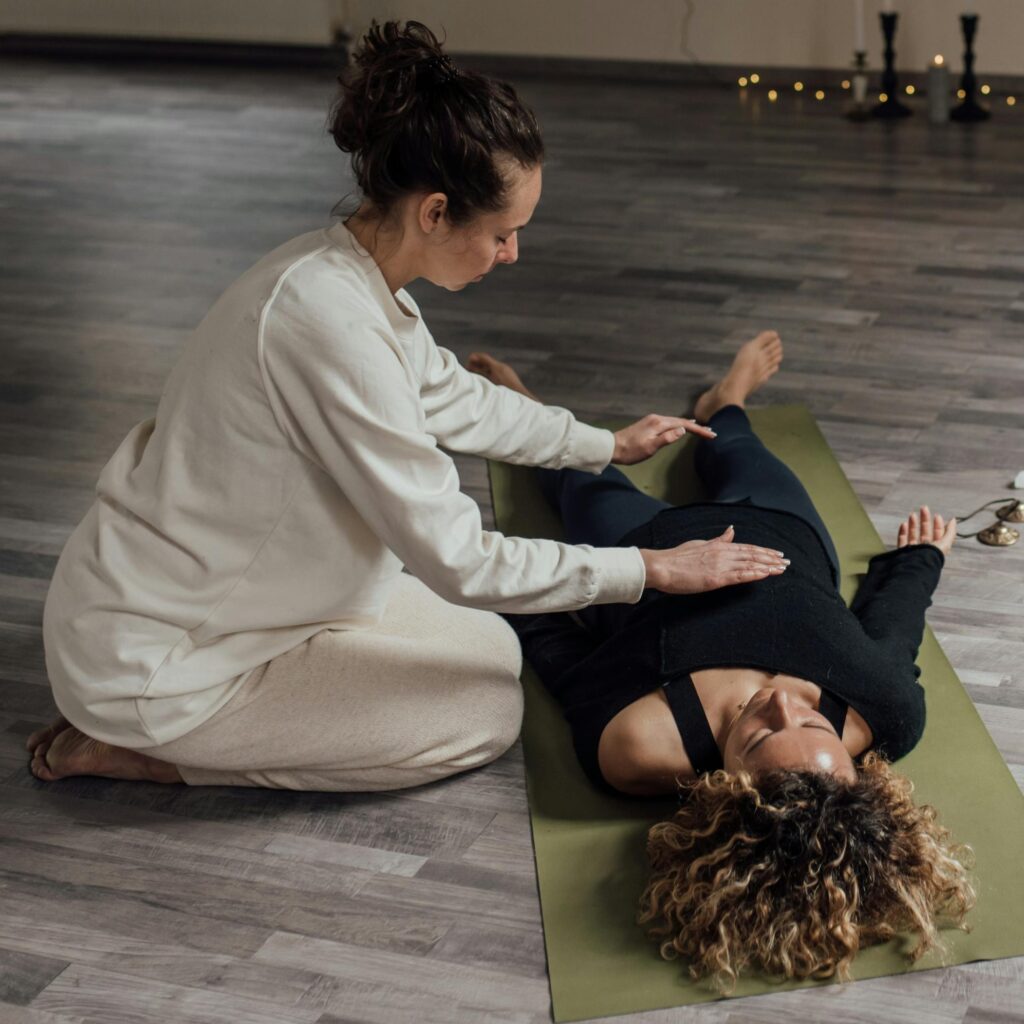
On your first visit, your reiki practitioner will ask you about your general health and medical history. They will ask you why you would like to have reiki and discuss your treatment plan with you.
You don’t have to get undressed for treatment. You usually take your shoes and coat off and have it sitting or lying down. You can have your eyes open or closed.
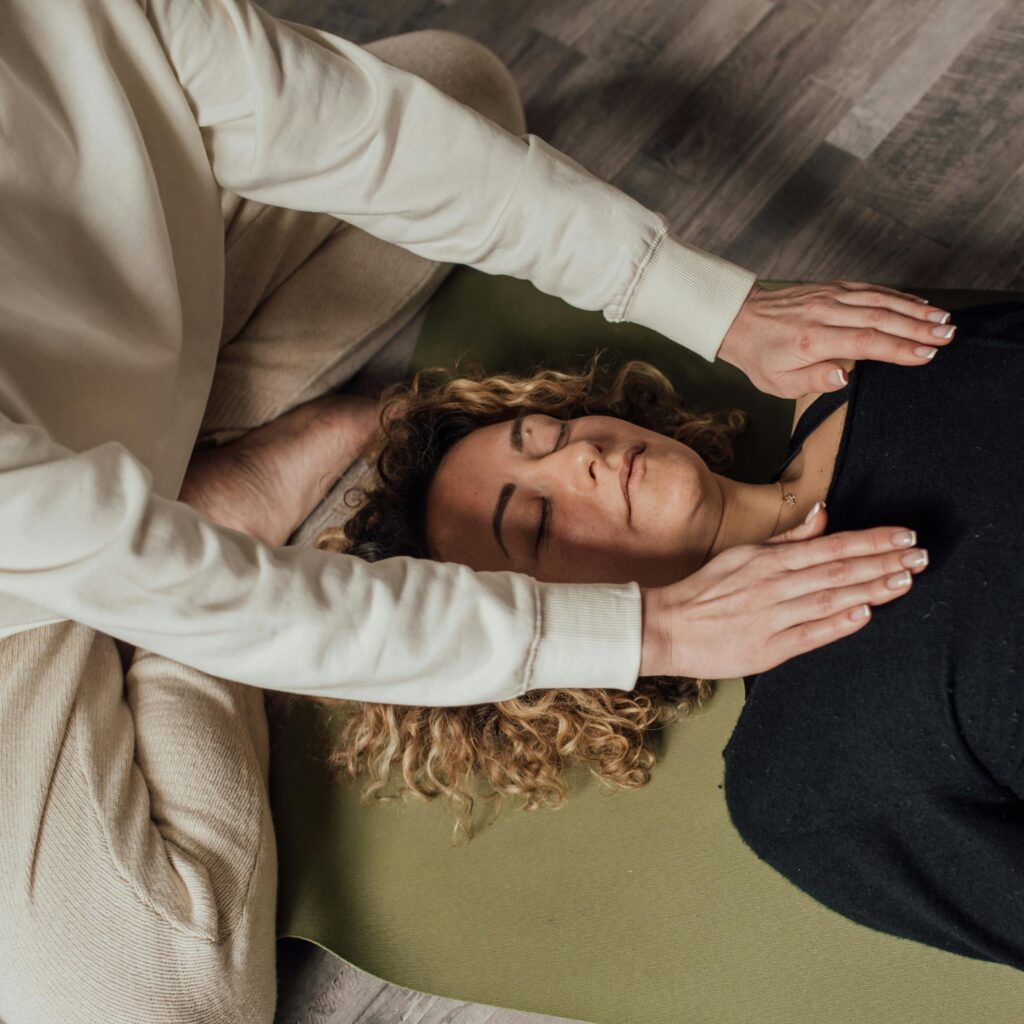
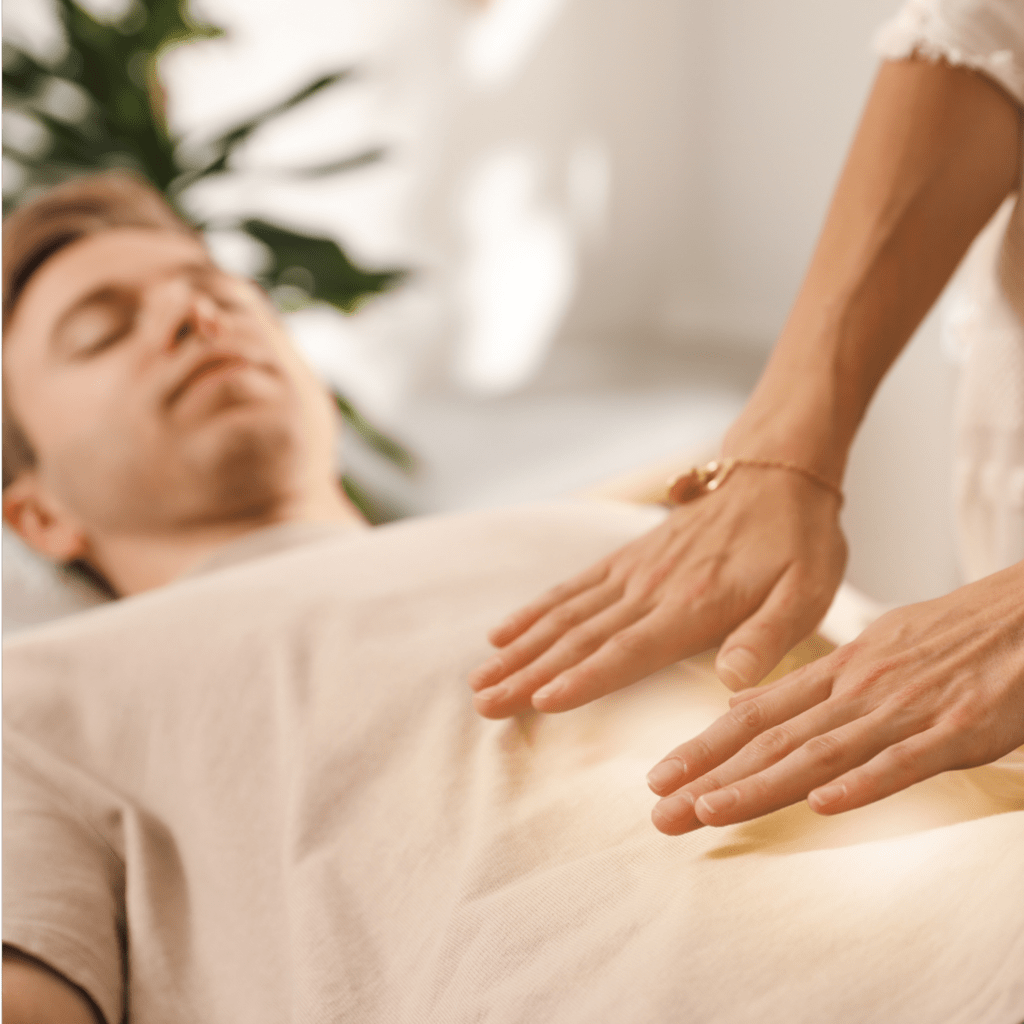
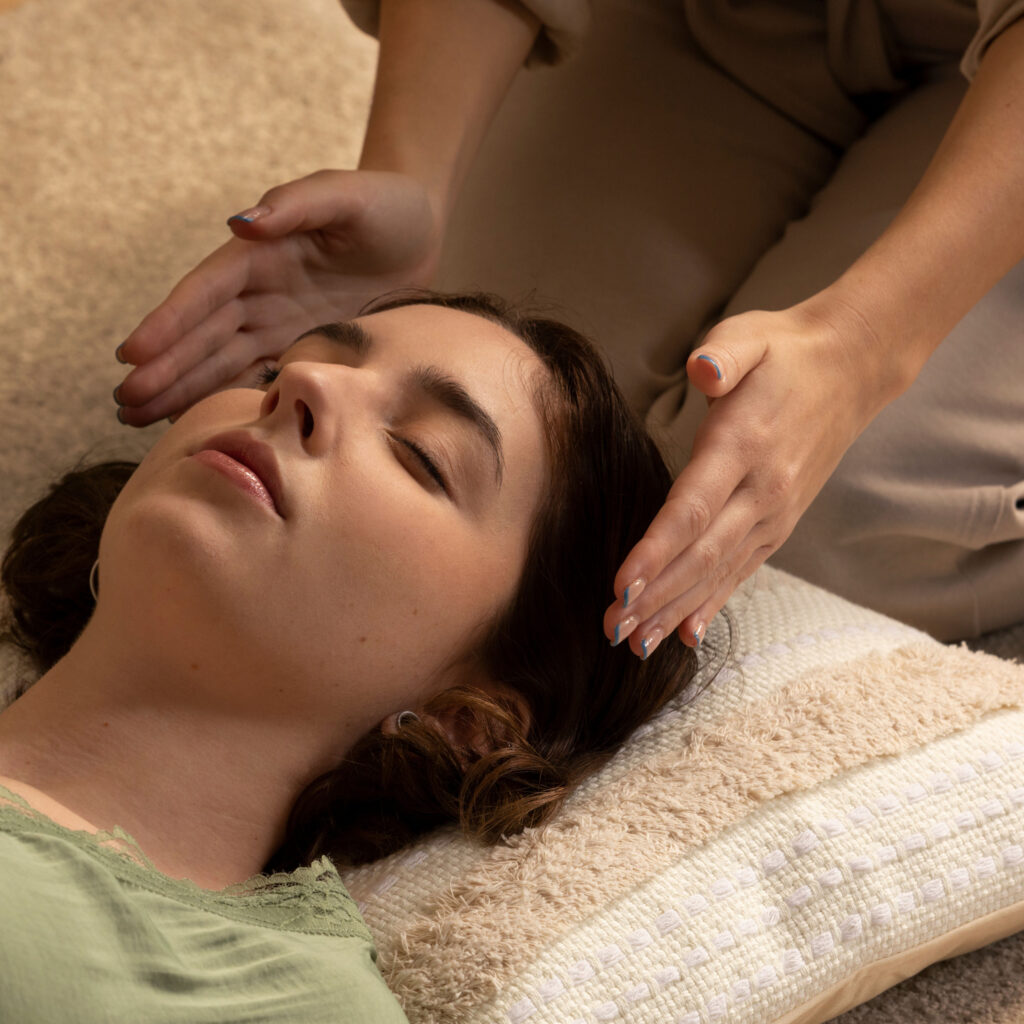
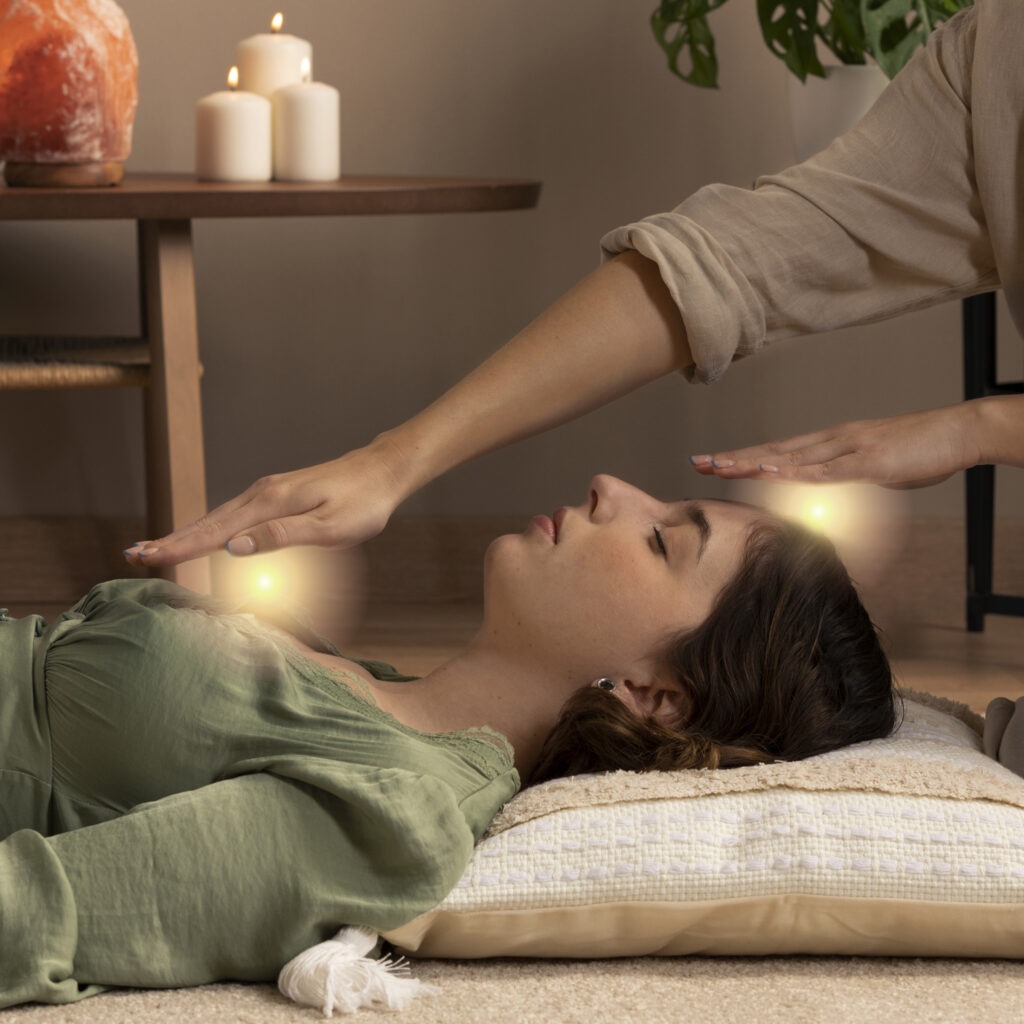
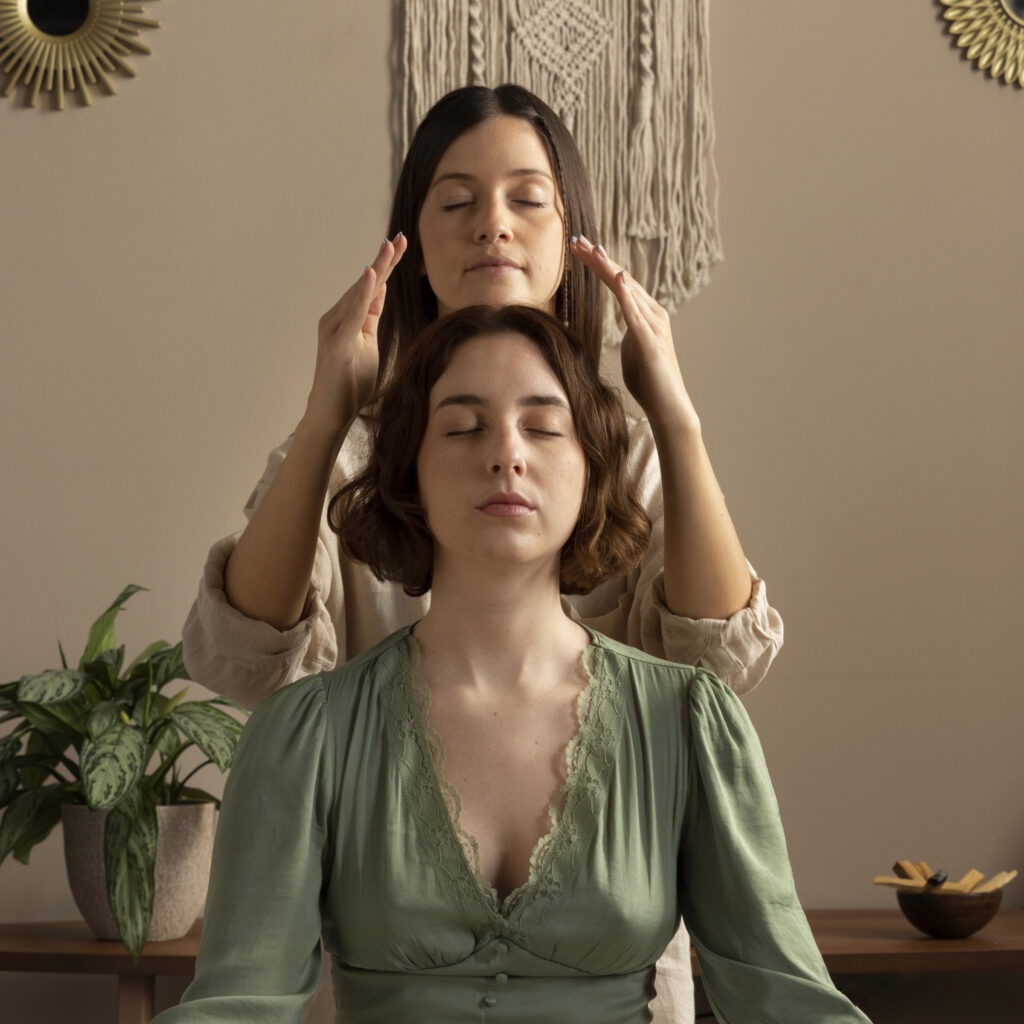
Your reiki practitioner might dim the lights or play soothing music. They put their hands on, or a few inches above your body. They move their hands across your body, usually starting at your head and working down to your feet, but may focus on particular areas of the body.
The aim is to move and balance the ‘energy’ within and around your body. And to get rid of any energy blocks to encourage healing and strengthen your energy. You might feel a tingling sensation, a deep relaxation, or warmth or coolness throughout your body. Or, you might not feel anything at all. Practitioners say this doesn’t mean the treatment isn’t working.
Reiki. Complementary and alternative therapy | Cancer Research UK. (2022, June 15). https://www.cancerresearchuk.org/about-cancer/treatment/complementary-alternative-therapies/individual-therapies/reiki
How Does Reiki Work?
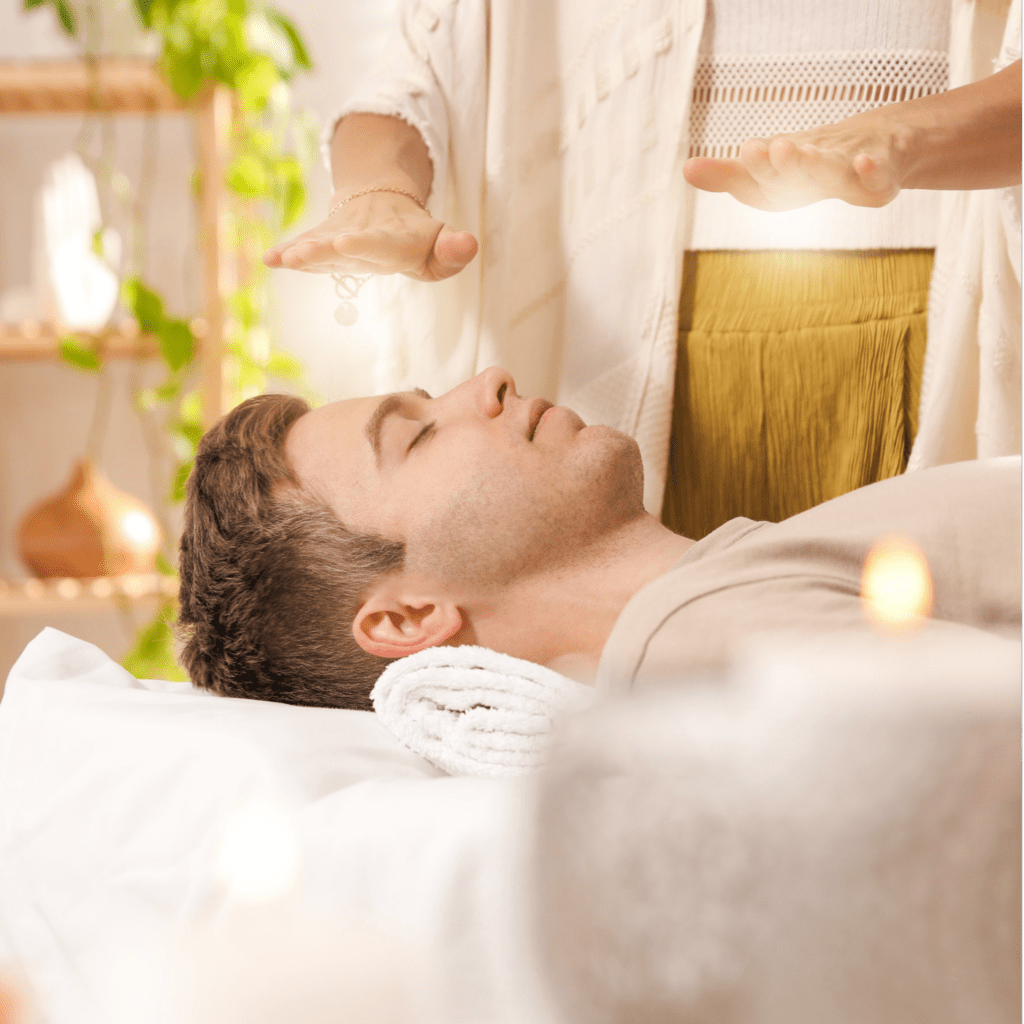
How does Reiki practice work? “The honest answer to that is: We don’t know,” Miles says. “Science does not yet know the mechanism of action.”
There are theories.
One popular theory involves a phenomenon known as the “biofield.” The biofield is an electromagnetic field that permeates and surrounds every living being. In humans, this field extends 15 feet or more from the body, according to Ann L. Baldwin, PhD, a Reiki researcher and professor of physiology at the University of Arizona’s College of Medicine.
The heart, for example, produces an electrical field — measured through an electrocardiogram, or ECG — to regulate heartbeats. The brain also produces an electrical field, though at a lower level than the heart. In fact, all of the body’s cells produce positive and negative electrical charges, which then create magnetic fields, per the aforementioned past literature review.
According to this theory, the interaction between two human magnetic fields may explain the effects of touch therapies like Reiki. It is thought that the biofield is the energetic force that guides bodily functions, and that Reiki energy influences the biofield. “[The biofield] is thought to cause dynamic changes in its vibrational qualities that alter physiological and psychological functions in living beings,” Dr. Baldwin says.
Quantum physics, the study of how the incredibly small particles that make up matter — electrons, neutrons, protons, and photons — behave, and attempts to explain the interactions of energy and physical matter.
Quantum physicists have found that these tiny particles of energy can be in more than one place at one time (both a wave and particle at the same time, depending upon how it is examined, per the University of Pittsburgh), and that thought or intention may change how the particles work.
In essence, the Reiki practitioner may be able to gather and direct biofield energy to the recipient through thoughts and intentions.
Bedosky, L. (2023, January 17). Reiki: How this energy healing works and its health benefits. Everyday Health. https://www.everydayhealth.com/reiki/
Probably the most commonly reported benefit of Reiki is that it reduces stress. One of the first places in the body that stress manifests itself is in the heart and circulation. Heart rate and blood pressure both increase during stress and these responses are caused by increased activity of sympathetic nerves in the heart. On the other hand, increased activity of the parasympathetic or vagal nerves causes the heart to relax. Studies have shown that Reiki can reduce the stress response of the heart in both humans and animals. Friedman et al (2010) found that when nurses gave Reiki to 12 patients recovering from acute coronary syndrome, a disease involving blockage of the coronary arteries, the vagal nerves became more active, indicating a relaxation effect, as reflected by changes in the heart rate variability.
Baldwin, A. L. (2019, July 5). Reiki, the scientific evidence. Reiki. https://www.reiki.org/articles/reiki-scientific-evidence
The practice of Reiki relies on the existence of universal life force energy. But believing in that concept can take a leap of faith.
Science may not prove that Reiki harnesses a universal life force energy. We may not have statistical proof that Reiki will improve your chronic pain, reduce your anxiety or help you get the sleep you need. But if you try it and you feel better, sleep better and live a better life … that’s still worth paying attention to.
But Reiki should be considered as a complementary therapy, not an alternative to conventional medicine. That’s to say, consider Reiki as something to try only in addition to accepted conventional medicine practices as recommended by a healthcare provider. It’s not a replacement for science-backed treatments.
Evans Persensky, M. (2024, July 16). What Is Reiki? And Does It Actually Work?. Cleveland Clinic. https://health.clevelandclinic.org/reiki
Scientific Studies on Reiki
Reviews of Reiki clinical trials have been published by Lee et al, vander Vaart et al, and by Baldwin et al. In summary, these reviewers found that Reiki had some promise in the areas of pain, relaxation, and anxiety management, but there was a need for further experiments with greater numbers of subjects to allow statistically meaningful interpretation.
McManus, D. E. (2017, September 5). Reiki Is Better Than Placebo and Has Broad Potential as a Complementary Health Therapy. Sage Journals. https://journals.sagepub.com/doi/10.1177/2156587217728644
As of July 2024, there are 140 Reiki research papers published in peer-reviewed scientific journals, according to the Center for Reiki Research. While many are smaller pilot studies, there’s a growing body of larger clinical trials providing stronger evidence for Reiki’s effectiveness.
Evidence-based Reiki: Science confirms healing benefits | naturaltherapypages.com.au. Natural Therapy Pages. (2025, May 14). https://www.naturaltherapypages.com.au/article/reiki-scientific-research
Although there are many anecdotal reports of its efficacy, the scientific community has been divided as to whether it truly works. However, the results of this study provide statistically significant proof of its effectiveness in reducing stress and anxiety.
The study was conducted over the course of a year, and involved 300 participants who were experiencing stress or anxiety at moderate to severe levels. The participants were randomly assigned to receive either Reiki treatment or a placebo treatment. Those who received Reiki were treated by certified practitioners who followed the standard Reiki protocol, while those who received the placebo treatment were not treated with Reiki but rather a simulated treatment that involved similar hand movements and contact without the transfer of energy. Both groups were treated for 30 minutes once a week for 8 weeks.
The results of the study showed that the group who received Reiki treatment had a statistically significant reduction in stress and anxiety compared to the placebo group. Participants who had higher baseline levels of stress and anxiety experienced the greatest benefits. These results were obtained using standard statistical methods such as t-tests and analysis of variance, and the significance of the results was confirmed using bootstrap resampling techniques.
Does reiki healing work? scientifically proven efficacy. Science Chronicle. (2023, June 3). https://www.sciencechronicle.org/en/news/does-reiki-healing-work-question-statistically-significant-proofs-efficacy/
A 2014 systematic review by Thrane and Cohen, published in the Journal of Evidence-Based Complementary and Alternative Medicine, examined 12 studies and found that Reiki was associated with modest but meaningful reductions in pain and anxiety across multiple clinical populations. The effects were consistent enough that several major hospital systems, including some affiliated with Cleveland Clinic and Memorial Sloan Kettering, now offer Reiki as a complementary service alongside conventional treatment. The important caveat: most studies have been small, lacked robust control conditions, and cannot yet distinguish whether benefits come from specific Reiki mechanisms or from the general relaxation response that comes with any caring, hands-on attention. This does not make Reiki less worth trying; it means the science is still catching up with the practice.
Thalira Research Team. (2026, March 21). What is Reiki? A Complete Beginner’s Guide. Thalira Wisdom Temple. https://thalira.com/blogs/quantum-codex/what-is-reiki-guide#reiki-session
Reiki in Hospitals
A survey conducted in 2007 indicates that in the previous year 1.2 million adults and 161,000 children in the U.S. received one or more energy healing sessions such as Reiki.
Reiki is also gaining wider acceptance in the medical establishment. Hospitals are incorporating it into their roster of patient services, often with their own Reiki-trained physicians, nurses and support staff. Reiki was in use in hospital operating rooms as early as the mid-90’s. Since then its acceptance in medicine has grown. It is now listed in a nursing “scope and standards of practice” publication as an accepted form of care, and a 2008 USA Today article reported that in 2007 15% of U.S. hospitals (over 800) offered Reiki as a regular part of patient services.
Rand, W. L. (2019, July 12). Reiki in Hospitals. The International Center for Reiki Training. https://www.reiki.org/articles/reiki-hospitals
Prestigious institutions like Duke University Hospital, Columbia University Hospital, Dana Farber Cancer Institute, and Yale New Haven Children’s Hospital have integrated these therapies into their care offerings. Many of these programs, similar to LifeSpark, provide services at no cost, while others include them in their Integrative Medicine Programs for a fee.
Priester, S. (2025, August 14). Hospitals Across the Country Embrace Reiki and Healing Touch. Lifespark Cancer Resources. https://lifesparknow.org/hospitals-across-the-country-embrace-reiki-and-healing-touch/
In The United States:
New York Presbyterian Hospital – Columbia University Medical Center Campus, NY (1995)
Columbia University Medical Center, Integrative Therapies Program for Children with Cancer, NY (1997)
Sharp Memorial, San Diego, CA (1998)
Memorial Sloan Kettering Cancer Center, NY (1999)
Children’s Hospital, Boston, MA (1999)
Dana Farber Cancer Institute, MA (2000)
Yale New Haven Children’s, CT (2006)
Yale New Haven, CT (2008)
Duke Integrative Medicine, Durham, NC (2007)
Brigham and Women’s Hospital, Boston, MA (2009)
Montefiore Einstein Cancer Center, NY
California Pacific, Medical Center, San Francisco, CA
George Washington, University, Medical Center, Washington, DC
York Hospital, York, ME
Washington Hospital Center, Washington, DC
Saint Joseph Hospital, Nashua, NH
Harvard University, Boston/Cambridge, MA
MD Anderson Cancer Center – University of Texas, Houston
Cedars Sinai, Los Angeles, CA
Mayo Clinic Health System, multiple locations worldwide
In Canada:
University Health Network – Princess Margaret Hospital, Toronto, Ontario
Université De Moncton, Moncton, Nouveau-Brunswick
In The United Kingdom:
University College London hospitals, NHS, London
Kings Mill Hospital – Nottinghamshire
Southampton University Hospitals NHS, Southampton
Aintree University Hospitals NHS, Liverpool
Wallace Cancer Care, Cambridge
South Tees Hospitals NHS, Middlesbrough
Newham University Hospital NHS, London
Great Ormond Street Hospital, London
Torok, L. M. (2025, May 18). Reiki in Hospitals. Reiki in Integrative Medicine. https://reikiintegrativemedicine.com/reiki-in-hospitals/